Dental Implants
Dental Implants
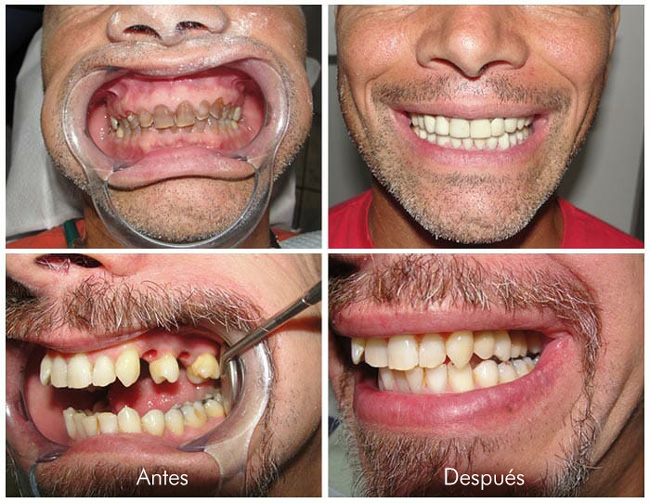
Osseointegration
Osseointegration refers to the implant-bone fusion. This stage is key for a successful dental implants process. Biocompatible means that the material can be absorbed by bone. Implant longevity is directly affected by bone density and successful integration. Dental implants are a long-lasting solution because of this.
The process takes 3 to 6 months on average, with up to 7 for the upper jawbone. Once the process is completed, you will receive a healing collar. It is a piece of round metal that keeps gums from growing over the implant. It will stay on for 10-14 days.
Implant Dentistry
Getting a single implant can take as little as a couple hours or as long as 2 years. Here are some things you can do to help determine how long it takes.
- your general dental and gum health,
your general dental and gum health,
- The number of your desired replacement teeth.
the number of teeth you want to replace,
- which teeth you want to replace,
Which teeth do you wish to have replaced?
- whether you need extractions, and
whether you need extractions, and
- If your jawbone needs grafting.
If your jawbone needs grafting.
If you don't need additional procedures and your oral health is up to par the implant process can take around 9 months. You can get one-day implants but this is not for everyone.
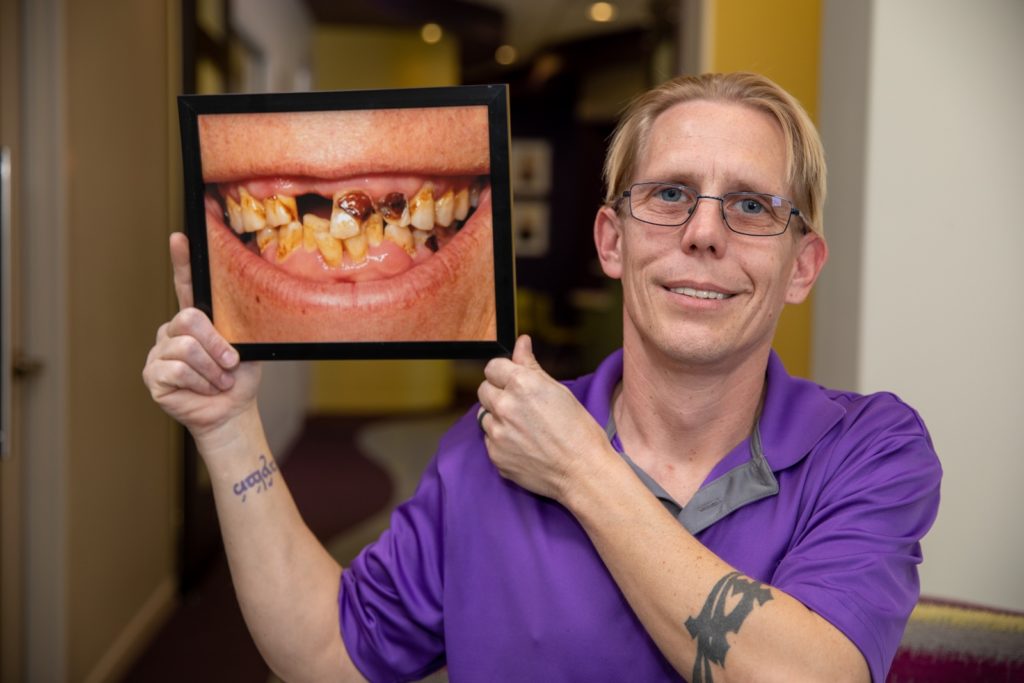
You Might Need To Replace Your Restorations
Dental implants may last a lifetime, but the restorations you attach to them might not. Dental implants can also have the disadvantage that your restorations may need replacing down the road. This is a problem which can prove to be very costly. For example, a single dental crown can cost around $1,000. If you have multiple in your mouth, that can really add up. Dentures and dental bridges are more affordable, but they can add up quickly. Most patients who need to replace their restorations are ones who did not take care of them in the first place.
Porcelain dental crowns and bridges can last for many years if you take good care of them. This means that you brush and floss regularly and avoid doing any physical damage to your teeth. This means wearing a night guard and a mouth guard when it is deemed necessary.
What Are The Benefits Of Dental Implants?
Implants can restore your smile and give you the confidence to look great without having to use dentures. Here are some of the benefits of using this treatment to restore your smile:
- It's secure and won't move or slip inside your mouth like dentures
- Porcelain is perfectly matched to your smile with a color match and polished.
- Implants can improve the appearance of your face by making it look fuller and more youthful.
- These can help you chew better, bite more, and talk clearly.
- Implants offer more comfort than dentures
- Because there is no need for special care, you can keep your regular oral hygiene routines.

Am I A Good Candidate For Dental Implants?
At Detail Dental, we evaluate Opens new tab to the American Academy of Periodontologycandidates for dental implant surgery on the following:
Bone
When a tooth is missing, the surrounding bone begins to deteriorate. To fuse the post with your tooth, you need to have a minimum amount of bone. If you have been missing a tooth for a while, there may not be enough bone to perform dental implant surgery.
To determine this, we use a CBCT scanner. The CBCT scanner allows us to see your jawbone and mouth in 3D. This technology allows us to assess your bone quality. If you have enough bone, we will move forward with your personalized treatment plan.
If you don't have enough bone for dental implants, then we can often perform a bone grafting procedure. This procedure can help your body regenerate bone and tissue. Once you have enough bone you can proceed with the surgery.
Age
Implants for dental purposes are more successful when placed by adults who have finished growing.
If you or your child are too young, you may need to wait until your facial structure has developed. This is typically around the age of 16 for girls and 18 for boys.
In the meantime, our Bellevue... opens in a new window to Google Maps... and Issaquah... opens in a new window to Google Maps... dentists can create an interim solution for your missing tooth.
Health
Dental implant surgery is similar to other surgeries. You must be in good oral and general health. If you suffer from certain conditions like diabetes, are a heavy smoker, or have gum disease, then dental implants may not be viable.
Rest assured, our dentists will evaluate you on an individual basis and if necessary, will work with your physician to find a solution.
What are Dental Implants?
The root and crown are the basic components of a natural tooth. If you compare natural teeth to implant-supported replacement teeth, you'll see they have the same basic parts. The crown is the visible portion used to chew foods. Each has a root which holds the tooth under the gum, and anchors into the jaw. However, the titanium implant has a different material. This is the same material surgeons use to make artificial joints. The root as well as the crown are lost when a tooth is broken. To replace the tooth, the surgeon first replaces the root with a small dental implant.
It takes time for the bone to grow and heal around the implant. This bone forms a solid foundation for artificial teeth. A support post (abutment) is then placed on the implant to bring it up through the gums. Your general dentist will then place a crown (a new tooth) on top of this abutment.

Why Choose Detail Dental For Dental Implants?
Implants are the most advanced treatment to replace missing teeth. Detail Dental only uses the most modern components and technologies. We ensure our patients receive optimal treatment outcomes every time.
Dr. Leonard Umanoff has over fifteen years of experience in planning and placing tooth implants. His advanced skills allow him to utilize dental implants in multiple ways. He uses the most appropriate implant system for every patient. Learn more about the latest technologies in dental implant technology.
Every tooth implant procedure is custom-made to meet the needs of each patient. We will only recommend solutions that are best for you. Each treatment plan is described in detail. We can tell you about dental implant costs and any additional procedures that are necessary, such as bone or tissue grafting.
Subperiosteal Implants
Subperiosteal implants are placed under the gums and on top of the jawbone. They consist of a metal framework with small extensions that protrude slightly from the gums. This type of implant is recommended for:
- Do not have sufficient healthy jawbone to support an endosteal implant
- You do not want to or are unable to have an extra procedure such as a bone transplant prior to the implant being placed.
Subperiosteal implant placement is similar to endosteal ones. Anesthesia can be used. The process of implant placement involves several steps.
The first step involves taking a jawbone impression. This is done so that the implant fits properly when it's placed. Your surgeon will have to make an incision to expose your jawbone in order to take an impression.
When the area has healed, it's time to place the implant. After making an incision in your gums, the metal frame of the implant is placed so that it sits on top of your jawbone.
During a follow-up visit, crowns can be placed onto the metal implant frame. These are attached to the small extensions that protrude from your gums.
Are Dental Implants Safe?
Generally speaking, dental implants are considered a safe tooth replacement solution when treatment is properly performed by a skilled and experienced dentist. Of course, as with any surgery, there is some degree of risk involved, making it imperative that you select a dentist who has received extensive implant dentistry training, utilizes state-of-the-art technology for precision planning and surgical placement, and has a proven track record of successful treatment--such as the doctors on our team. By choosing the right dentist, you can minimize potential risks and complications while maximizing safety and long-term success.
Do you have to eat certain foods when using dental implants?
Unlike traditional dentures, implants and implant-supported restorations typically do not involve long-term dietary restrictions. Patients may need to follow a soft-food diet for several weeks or months after their first implant surgery. This can promote healing. Hard or chewy foods can disturb the newly implanted post(s) and the surrounding gum tissues, potentially causing pain or slowing down the healing process. Patients can resume normal eating after the post is properly fused to the jawbone.

Proactive Treatment Is Key
As is the case with most oral health issues, early detection plays a significant role in the treatment of implant gingivitis. Peri-implant gum disease can develop if left untreated. This can lead to damage of the soft and hard tissues around the dental implant. Pockets can form around the titanium post as the infection causes jawbone deterioration, resulting in a loose implant.
Once the condition reaches this point, surgical intervention will be required. In order to stabilize an implant, a bone grafting procedure may be performed. If this fails, then the implant must be removed and a period of healing is required before another one can be installed.
If you notice redness, inflammation, or tenderness around a dental implant, do not postpone dental care. You will have the best chance of a positive outcome and a long-lasting, healthy smile by seeing your dentist immediately.
Pros And Cons Of Dental Implants
- Life-long solution
A solution that lasts a lifetime
- Most durable tooth replacement option
Most durable tooth replacement option
- There are no problems with eating or smiling.
No issues with smiling, eating, or talking
- Encourage bone stimulation and stop reabsorption
Stimulate the bone and prevent reabsorption
- High success rate
High success rate
- Look just like natural teeth
You will have natural-looking teeth
- High-end
High-end
- The process can be long
This process is often slow.
- Additional procedures might be necessary
Other procedures may be required
- Some people are sensitive to titanium
Some patients are allergic to titanium
It takes a long time to heal dental implants
Dental implants won't provide instant relief for missing teeth. Dental implants take time to heal. This is a major drawback. To start, our dentist must first ensure you have enough bone mass in your jaw to have the implants placed in the first place. If you don't, we need to give you a bone graft surgery. If you need any teeth extracted, that will also need to be done in advance. After your gums heal from bone grafts or extractions, we can place dental implants. We will then surgically place your dental implant.
Once your surgery is complete, we must then let your gums heal once again. Your gums will then begin to develop bone surrounding the implants. The healing process can take anywhere from 3 to 18 months to heal. It's not until your gums have healed from surgery that we can take impressions of your gums and create your permanent tooth restorations. Once they have returned from the lab we are able to place the permanent tooth restorations in your mouth. They will hopefully last for the rest of you life. Dental implants are not the best option for those who lack patience.
Dental Implants Safety Evaluation
Dental implants systems are typically made of materials that follow international consensus standards of the International Organization for Standardization (ISO) or ASTM International. These standards have details of what makes a safe material. Dental implant systems made from titanium and zirconium dioxide are the most common. Other materials such as gold alloys, cobalt-based alloys, titanium alloys, or ceramic materials are sometimes used. These materials have well-known safety profiles.
International consensus standards are used to evaluate dental implant systems. The evaluation includes biocompatibility testing to ensure that the implant materials are not causing any adverse reactions in patients.
For manufacturers to market dental implant systems in the United States, they must first show the FDA their systems are as safe and as effective as dental implant systems already on the market.

Types Of Dental Implants
Your dentist will recommend the type of implant you need based on the number and location of your missing teeth.
- One tooth can be replaced by a single implant. Your dentist may recommend one implant for multiple missing teeth.
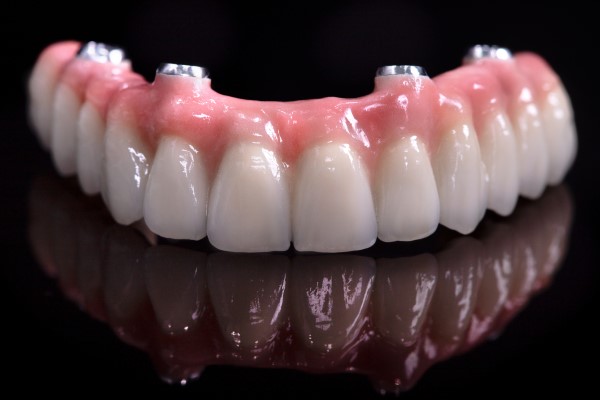
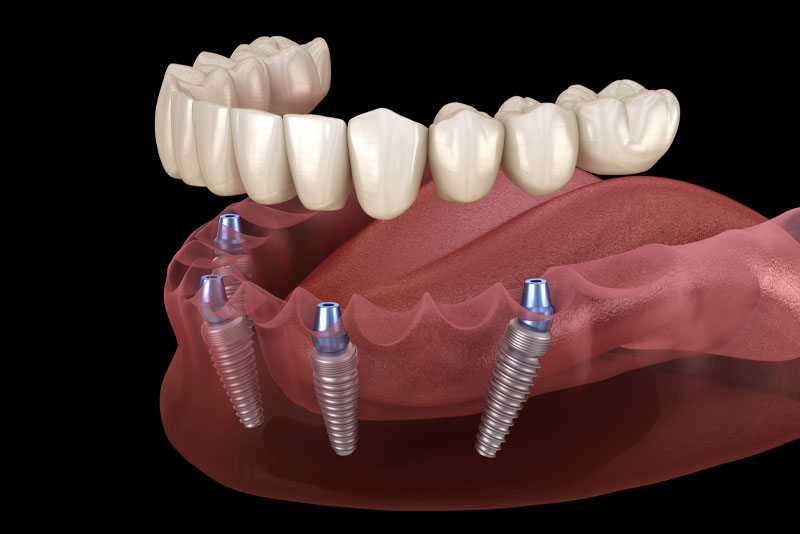
- Implant bridges are used when you are missing several teeth in a row. Implants are placed into the jaw and attached to a bridge with multiple false teeth.
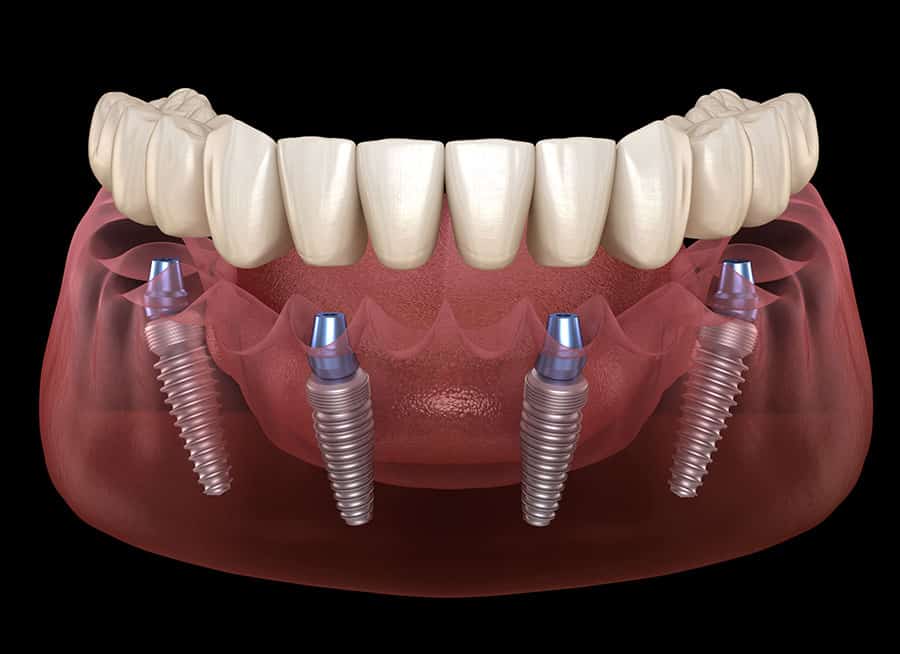
- Implant dentures are an alternative to conventional dentures. Each jaw is fitted with four or more screws. A denture, which features a full arch of replacement teeth, is attached to these screws.
What are the steps involved in placing dental implants?
Dental implant procedures can take several months. Your dentist and a periodontist are involved in the process. Most surgical procedures are quick (under an hour) and involve numbing with local anesthesia (similar to what you'd get for other dental work).
- Permanent teeth or dentures: Your dentist will take molds of your teeth or scan your mouth and send the models or scan to a dental lab. You will return a few weeks later for the permanent abutment (connector piece) and tooth to be placed on the implant.
Single-Tooth Implant
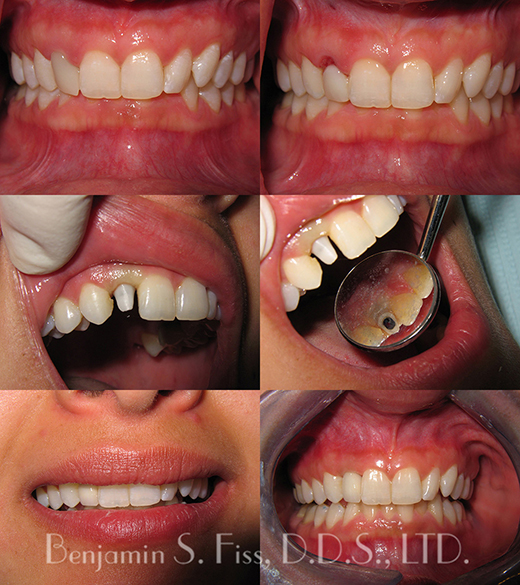
If you are just missing a singular tooth, your implant will support one crown. It will still replace the root, which means bone will be stimulated. Single tooth implants are often recommended for front tooth replacement.
Single tooth implants are a better option than a bridge because they do not cause damage to adjacent teeth. It stands on its own, providing the patient with full functionality and impressive aesthetics. If a patient has multiple missing teeth, 2 implants may be needed to create a bridge.
Step 4 -- Healing and Growth
The implant will bond to the support bone. The process may take several months and will ensure that the foundation is strong enough to hold an artificial tooth crown (dental crown).
This abutment elevates the implant over the gums. This step allows for easy placement of the dental crown.

Sinus Augmentation
Because of the position of the sinuses, it is often difficult to place an implant in the upper jawbone.
The surgeon may need to perform a sinus augmentation -- a procedure to lift the floor of the sinuses to allow more bone to develop so that the implantation can be successful.
Do Dental Implants Look Natural?
One of the benefits of dental implants is their ability to mimic natural teeth in appearance, function, and feel. Many patients are amazed at the similarities between implants and natural teeth.
Why Should You Not Have a Dental Implant?
Certain factors can lower the chances of a successful dental implant. You may not be a candidate for dental implants if you:
- Smoke.
- Have had previous radiation therapy to the head and neck.
- Uncontrolled diabetes.
Coatings
While most implants made from titanium are long-lasting and stable, it is possible for the surface to vary. A porous surface contributes to more bone contact than a machined titanium surface. Other surfaces include a grit-blasted or acid-etched and roughened surface, a microgrooved or plasma-sprayed titanium surface, and a plasma-sprayed hydroxyapatite coating, and Zirconia (nonmetal).
Fixture
It is also known as an implant post or body. This inserts into the area of the gum that has the missing tooth. The implant post resembles a screw and it is the part that fuses to the bone. This is an easy surgical procedure.
After the fixture is in place, a healing cap is put in to make sure gums grow around it properly. The surgeon may wait 6-8 weeks before placing a healing abutment.
What are the Types of Dental Implants Available?
Our dental clinic offers many different types of dental implant options, just like any other type of dental appliance. Our professional dental team will evaluate your oral health and determine the best type of implant for you. There are many options for crowns, including Porcelain Fused Zirconium (all-Ceramic), Porcelain Fused Metal (or Noble Metal) Dr. Umanoff applies his extensive knowledge and expertise to choose the right material for you.
The pros
- Implants work just like natural teeth and allow you to speak and chew normally.
- Preserve bone, reducing the appearance of aging.
- Help prevent loss of jaw height.
- Implants can be kept in good condition for between 15 to 25 years. Implants also last much longer than dentures and dental bridges.